

Rotator Cuff Tear Treatment in Singapore
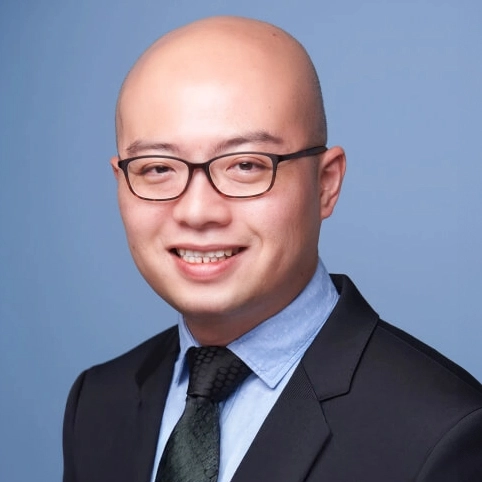
Dr James Tan
Senior Consultant Shoulder Surgeon
Orthopaedic Surgery, Sports & Exercise Medicine
MBBS (S’pore), MRCS (Edinburgh), MMed (Orthopaedics), FRCS Orthopaedics & Trauma (Edinburgh)
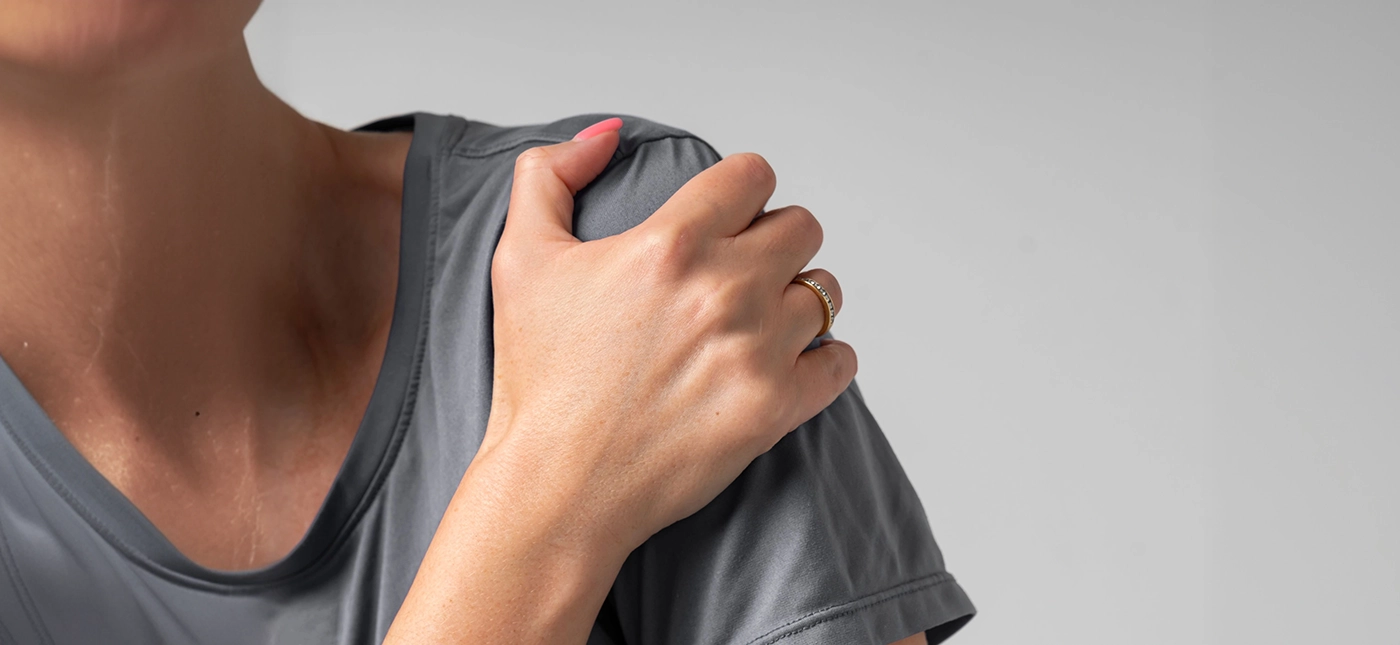
A rotator cuff tear is a common shoulder injury that occurs when one or more of the tendons that help move and stabilise the shoulder become damaged or torn. It may develop gradually through wear and tear or occur suddenly following an injury.
A rotator cuff tear can make everyday activities such as dressing, carrying objects, exercising or sleeping comfortably increasingly difficult, negatively affecting a patient's quality of life.
Understanding the symptoms, causes and treatment options can help you seek appropriate care and prevent further deterioration of shoulder function.
What Is the Rotator Cuff?
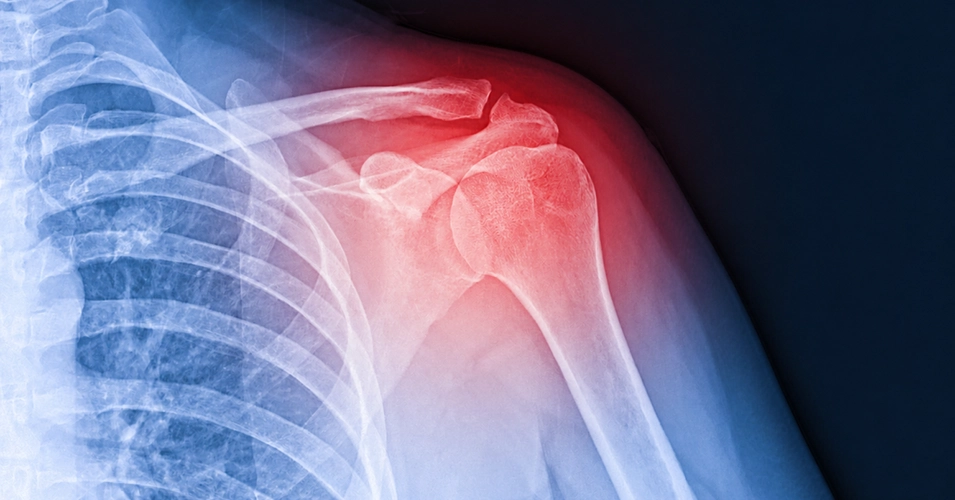
The rotator cuff is a group of muscles and tendons that help support, stabilise and move the shoulder. It plays an important role in everyday activities such as lifting, reaching, carrying and throwing.
As the rotator cuff is used frequently throughout the day, it can become damaged through wear and tear or injury. When one or more of its tendons tear, it may lead to pain, weakness and difficulty moving the shoulder.
What Are the Symptoms of a Rotator Cuff Tear?
Symptoms of a rotator cuff tear may develop gradually over time or occur suddenly after an injury. Common symptoms include:
Shoulder Pain and Weakness
Pain at Rest or During Sleep
Clicking or Crackling Sensations
Early intervention can prevent it from getting worse. Let our specialist assess your condition today.
What Are the Causes of Rotator Cuff Injury?
Acute Injury
Symptoms often develop suddenly and may include immediate pain, weakness, reduced shoulder movement and difficulty lifting the arm.
Degenerative Wear and Tear
As the tendons become less resilient, they may develop small areas of damage that progress to partial or complete tears. Symptoms often begin gradually and may worsen over time if left untreated.
Repetitive Overhead Activities
Repeated stress can contribute to tendon irritation, inflammation and degeneration, increasing the risk of rotator cuff injury over time.
Shoulder Impingement and Tendon Degeneration
Related conditions such as shoulder impingement, rotator cuff tendinitis and bursitis may occur alongside rotator cuff injuries and can contribute to shoulder pain and reduced function.

What Are the Risk Factors of Rotator Cuff Tears?
Certain factors may increase the risk of developing tendon damage or tears over time.
- Age: Individuals aged 40 years and older are at a higher risk of rotator cuff tears as the tendons gradually lose strength and become more prone to wear and tear.
- Sports Involving Repetitive Overhead Movements: Athletes who frequently perform overhead movements, such as tennis players, swimmers, basketball players, rowers and weightlifters, may place greater strain on the rotator cuff tendons.
- Occupations Involving Repetitive Shoulder Use: Jobs that require frequent lifting, reaching or overhead work, such as painting, carpentry and other forms of manual labour, can increase stress on the rotator cuff over time.
- Family History: Individuals with a family history of rotator cuff injuries or tendon disorders may have a higher risk of developing similar shoulder problems.
If you have risk factors for a rotator cuff tear and are experiencing shoulder pain, weakness or reduced movement, early assessment by a shoulder specialist can help prevent further deterioration.
What Are the Types of Rotator Cuff Tears?
There are two main types of rotator cuff tears:
Partial-Thickness Tear
Full-Thickness Tear
How Is Rotator Cuff Tear Diagnosed?
Physical examination
Arthroscopy
Imaging tests (MRI, X-rays and ultrasound)
Shoulder surgery clinics may use imaging tests to get a clearer look at the internal structures of the shoulder to confirm their diagnosis:
X-Rays
MRI (Magnetic Resonance Imaging)
Ultrasound Scan
Get an accurate diagnosis to receive a tailored treatment plan for your shoulder.
Call 8028 4572 to make an appointment today.
How Are Rotator Cuff Tears Treated?
Non-Surgical Treatments
While rotator cuff tears generally do not completely heal on their own without surgery, non-surgical treatments can still help many patients reduce their pain and improve their function. In these cases, non-surgical management may involve:
Rest and Ice
: Patients can apply ice to the affected part of their shoulder. This can reduce pain and inflammation. They should also rest the area, which means avoiding physically demanding activities that can trigger symptoms or worsen the injury.Physiotherapy
: A physiotherapist will teach patients customised exercises and routines that will strengthen and condition the shoulder. By doing so, the symptoms of a rotator cuff tear will decrease.Anti-Inflammatory Medications
: Nonsteroidal anti-inflammatory drugs (NSAIDs) may be prescribed or bought over the counter to alleviate pain.Corticosteroid Injections
: This type of medication is injected into the shoulder to provide relief through the reduction of pain, swelling and inflammation.
Surgical Treatments
Surgery may be recommended for patients with large or complete rotator cuff tears, persistent pain despite non-surgical treatment or significant weakness and loss of shoulder function. The goal of surgery is to repair the torn tendon, relieve symptoms and restore shoulder strength and movement.
Arthroscopic Rotator Cuff Repair
: This minimally invasive (key-hole) procedure uses specialised instruments and a small camera to repair the torn tendon through several small incisions. Arthroscopic surgery is commonly performed for suitable rotator cuff tears and is associated with less soft tissue disruption than traditional open surgery.Open Rotator Cuff Repair
: For some larger or more complex tears, an open surgical approach may be required to provide better access to the damaged tendon and surrounding structures. The torn tendon is reattached to the bone to restore shoulder stability and function.Tendon Transfer or Shoulder Reconstruction
: In cases where the rotator cuff tear is severe or cannot be repaired directly, additional procedures such as tendon transfer or shoulder reconstruction may be considered to improve shoulder movement and reduce pain.
Dr James Tan is skilled in the non-surgical and surgical treatment of rotator cuff tears.
Contact Quantum Shoulder Specialist Clinic to find out more about how we can help

Recovery and Rehabilitation After Rotator Cuff Tear Treatment
Recovery following rotator cuff tear treatment is a gradual process that focuses on protecting the tendon while restoring shoulder strength and movement. Following surgical repair, patients can generally expect the tendon to heal sufficiently within the first 6 weeks, with firmer tendon-to-bone healing occurring over the following few months. Full recovery and functional improvement often continue for many months thereafter.
During the rehabilitation period, patients may be advised to:
- Wear an arm sling: A sling may be prescribed for several weeks to protect the repaired tendon and minimise strain on the shoulder during the early stages of recovery.
- Take prescribed medications: Pain-relieving and anti-inflammatory medications may be recommended to improve comfort and support the recovery process.
- Attend physiotherapy sessions: Rehabilitation exercises are introduced progressively to restore shoulder mobility, strength and function while protecting the repair.
- Gradually return to daily activities: Activities involving lifting, carrying or overhead movements are typically reintroduced in stages according to recovery progress and medical advice.
Regular follow-up appointments help monitor healing and ensure rehabilitation is progressing appropriately.
What Are the Possible Risks of Rotator Cuff Surgery?
Rotator cuff surgeries in Singapore, as with all surgical procedures in general, may come with potential risks, such as:
- Tendon re-tear
- Nerve injury
- Shoulder infection
- Stiffness
However, the risk of complications occurring is low when procedures are carried out in the hands of an experienced surgeon within a controlled medical setting.
Restoring Shoulder Function After a Rotator Cuff Tear
A rotator cuff tear can affect your ability to lift, reach, carry, exercise and sleep comfortably, making early assessment important when symptoms persist or worsen. At Quantum Shoulder Specialist Clinic, we aim to help patients regain shoulder strength, restore mobility and return to the activities that matter most to them, whether that means working comfortably, participating in sports or carrying out everyday tasks without pain.
Care is led by Senior Consultant Shoulder Surgeon Dr James Tan, who provides personalised assessment and treatment for rotator cuff injuries and other shoulder conditions. With expertise in minimally invasive shoulder procedures and sports-related injuries, Dr Tan provides treatment plans tailored to each patient's condition and recovery goals.
If you are experiencing shoulder pain, weakness or difficulty using your arm, contact us today to arrange an assessment and discuss your treatment options.
Frequently Asked Questions About Rotator Cuff Tears
Can a rotator cuff tear heal without surgery?
How do I know if I have a rotator cuff tear or a muscle strain?
When should I see a shoulder specialist for a rotator cuff injury?
Will all rotator cuff tears require surgery?
How long does recovery take after rotator cuff surgery?
What happens if a rotator cuff tear is left untreated?
Our Shoulder Surgeon in Singapore
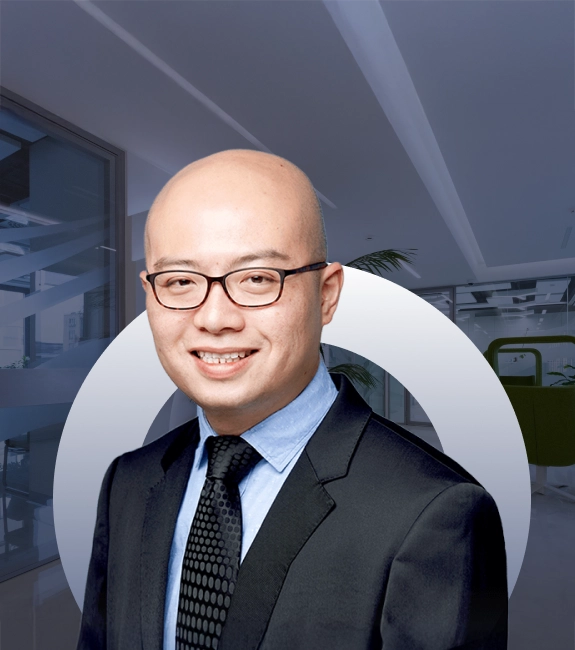
Senior Consultant Shoulder Surgeon
Orthopaedic Surgery, Sports & Exercise Medicine
MBBS (S’pore), MRCS (Edinburgh), MMed (Orthopaedics), FRCS Orthopaedics & Trauma (Edinburgh)
Dr James Tan is a Senior Consultant Orthopaedic Surgeon with over 10 years of experience in sports surgery and exercise medicine. He has extensive experience managing shoulder conditions, including rotator cuff tears, shoulder instability, shoulder impingement and sports-related injuries.
He specialises in minimally invasive (key-hole) shoulder procedures, tendon repairs and other advanced shoulder treatment techniques aimed at relieving pain and restoring function. Dr Tan has treated athletes from the Singapore National Teams, Singapore Premier League and Young Lions, helping individuals return safely to their daily activities and sporting pursuits.
Dr Tan is a member of the Asian Shoulder and Elbow Group and a founding member of the Singapore Shoulder and Elbow Society. He has also chaired and instructed shoulder surgery workshops and seminars across Asia, reflecting his recognised expertise in shoulder care and treatment.
He specialises in minimally invasive (key-hole) shoulder procedures, tendon repairs and other advanced shoulder treatment techniques aimed at relieving pain and restoring function. Dr Tan has treated athletes from the Singapore National Teams, Singapore Premier League and Young Lions, helping individuals return safely to their daily activities and sporting pursuits.
Dr Tan is a member of the Asian Shoulder and Elbow Group and a founding member of the Singapore Shoulder and Elbow Society. He has also chaired and instructed shoulder surgery workshops and seminars across Asia, reflecting his recognised expertise in shoulder care and treatment.
Our goal is to relieve any pain and help you improve your quality of life. For more assistance, please leave us a message.

Camden Medical
1 Orchard Boulevard, #09-06Singapore 248649
Mount Alvernia Hospital
820 Thomson RoadMedical Centre D #05-60Singapore 574623
Operating Hours
Monday-Friday : 8:30am - 5:30pm
Saturday : 8:30am - 12:30pm
Sunday & Public Holiday : Closed
