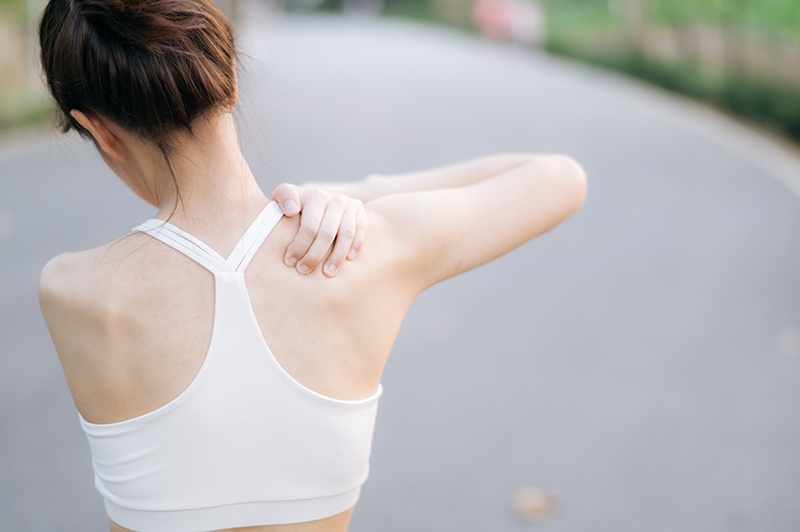
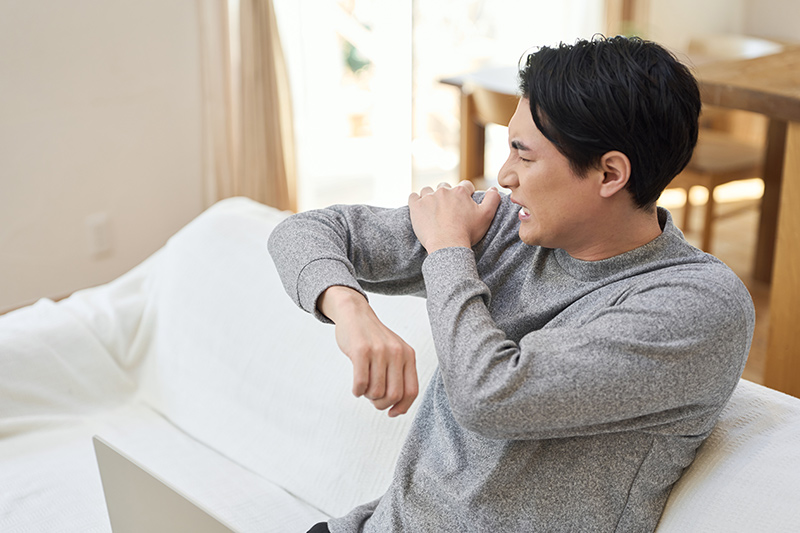
A SLAP tear can be frustrating when your shoulder continues to bother you despite rest, activity changes or rehabilitation. You may find that everyday movements have become easier, yet lifting, reaching overhead or returning to sport still brings back pain or discomfort.
When improvement is slower than expected, you may wonder whether your shoulder simply needs more time or whether something else is affecting your recovery. Understanding the possible reasons behind persistent symptoms can help you make sense of your progress and what your next steps may involve.
Understanding a SLAP Tear
A SLAP tear affects the superior labrum, the upper part of the ring of cartilage surrounding the shoulder socket. SLAP stands for Superior Labrum Anterior to Posterior, describing where the tear occurs.
The labrum helps deepen the shoulder socket and contributes to stability. The long head of the biceps tendon also attaches near the superior labrum, so the two structures are closely related.
SLAP tears may develop after a fall, sudden pulling injury or repetitive overhead activity. Depending on the injury, you may notice deep shoulder pain, clicking, catching or discomfort during overhead movements.
Possible Reasons Your SLAP Tear Is Not Improving
Several factors can influence recovery. Identifying which ones apply to your shoulder can help guide the next stage of treatment.
Your Shoulder Is Still Being Overloaded
You may have stopped the activity that caused your injury but still be placing stress on the shoulder in other ways. Weight training, lifting at work, carrying heavy objects or repeated overhead reaching can continue to irritate the affected area.
Temporarily modifying these activities may give your shoulder a better opportunity to settle while you continue appropriate rehabilitation.
Strength and Shoulder Control Have Not Fully Recovered
The shoulder depends on the rotator cuff, shoulder blade muscles and surrounding structures working together. After an injury, weakness or altered movement patterns can affect how force is distributed through the joint. Rehabilitation may therefore need to address mobility, strength and shoulder control rather than focusing only on reducing pain.
Another Shoulder Problem Is Contributing
Sometimes, the SLAP tear is only part of the picture. Problems involving the biceps tendon, rotator cuff or shoulder instability may occur alongside a labral injury. This is particularly relevant when your symptoms do not fit the expected pattern or continue despite appropriate rehabilitation. Identifying the main source of your symptoms can influence which treatment is likely to be useful.
The Nature of the Tear May Affect Recovery
Not all SLAP tears are the same. The location and pattern of the tear, quality of the surrounding tissue, your age and the demands you place on your shoulder can influence how the injury is managed. For example, the treatment considerations for an overhead athlete may differ from those for someone whose main goal is comfortable day-to-day movement.
When Should a Persistent SLAP Tear Be Reassessed?
Some discomfort during rehabilitation does not automatically mean treatment has failed. What matters is whether your shoulder is gradually becoming more comfortable and functional.
Further assessment may be appropriate when you continue to experience:
- Deep pain within the shoulder
- Painful clicking or catching
- Difficulty reaching or working overhead
- Persistent weakness
- Reduced sporting performance
- Difficulty returning to your usual activities
- A sensation that the shoulder is unstable
A shoulder specialist can reassess your movement, strength and stability and compare these findings with your symptoms. Imaging may also be considered where further information about the labrum or surrounding structures is needed.
What Are the Treatment Options?
Following reassessment, your treatment can be tailored according to your symptoms, shoulder function and the underlying cause of your ongoing discomfort.
Non-Surgical Treatment
Non-surgical treatment is often the first approach and may be adjusted if your shoulder has not improved as expected. Depending on your condition, this may include:
- Modifying activities that aggravate your shoulder
- Physiotherapy to improve movement, strength and shoulder control
- Medication to help manage pain where appropriate
- Injections in selected cases to relieve symptoms
As your shoulder improves, your activities can be gradually progressed according to your recovery.
Surgical Treatment
When symptoms continue to affect your shoulder despite appropriate non-surgical treatment, surgery may be considered. The decision depends on your symptoms, shoulder function, activity demands and the nature of your injury rather than the SLAP tear alone. Where SLAP tear surgery is appropriate, your shoulder specialist will discuss the most suitable approach and what you can expect during recovery.
Getting Back on Track With Your Shoulder Recovery
A slower recovery can be discouraging, particularly when shoulder symptoms are keeping you from activities you want to return to. Getting a clearer picture of what is happening can help you move forward with greater confidence and ensure that your care remains suited to your needs.
At Quantum Orthopaedics Shoulder Clinic in Singapore, care for SLAP tears and other shoulder conditions is provided by Dr James Tan Chung Hui. Through a detailed assessment of your symptoms and shoulder function, he can help identify what may be affecting your recovery and recommend an appropriate course of management. Schedule a consultation to discuss your shoulder concerns and the next steps in your care.